
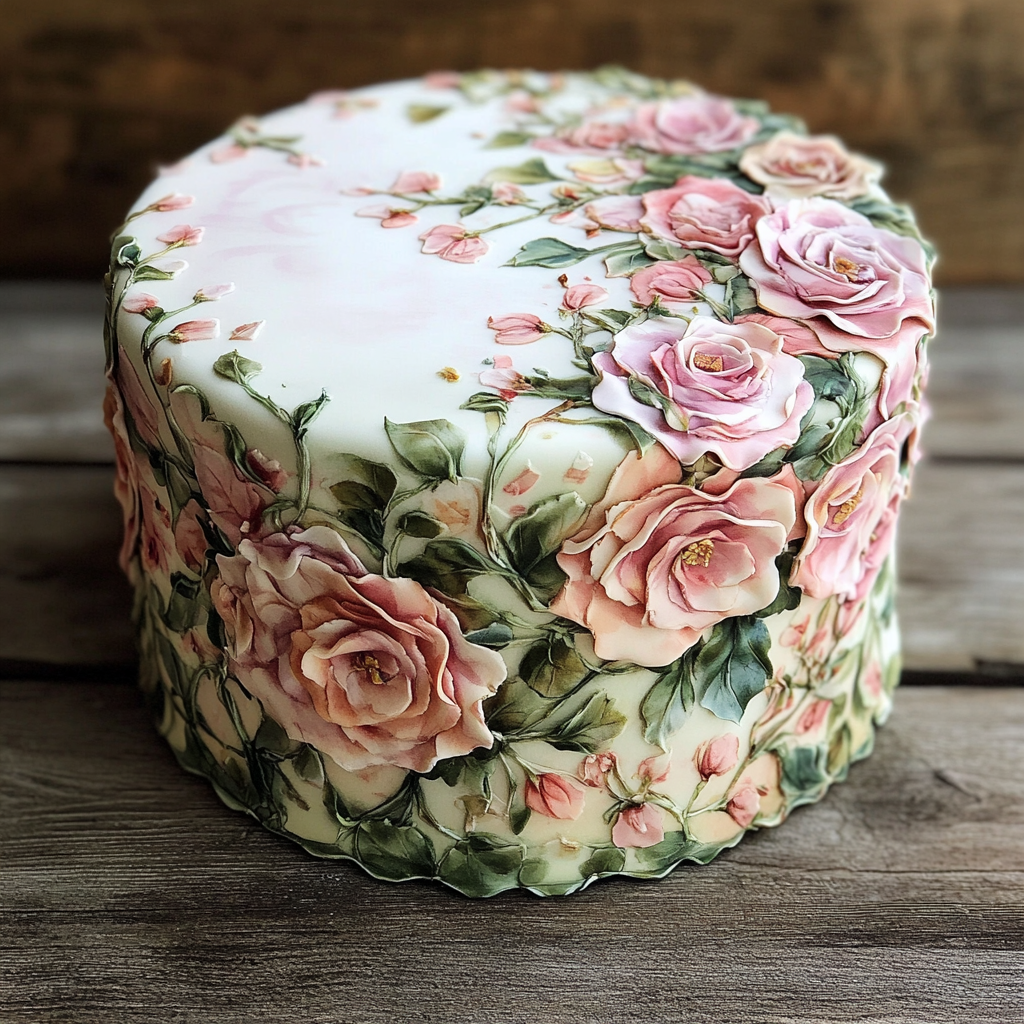
Best Ways to Ship Cakes with Edible Images: A Practical Guide
Estimated reading time: 12 minutes
Key Takeaways
- Sturdy base materials like fondant help protect edible images during transit.
- Proper adhesion and edge sealing reduce cracks and peeling.
- Temperature control and moisture barriers extend longevity of prints.
- Clear labeling and safe handling minimize mishaps in warehouses and delivery routes.
- Follow a practical packing checklist to ensure consistency across orders.
Table of contents
- Overview: fondant versus buttercream stability
- Step-by-step shipping prep
- Movement control inside the box
- Temperature considerations
- Labeling and handling instructions for couriers
- Preventing cracked or peeling icing sheets
- Extending the longevity of edible prints on cakes
- Protective packaging for cakes with edible designs
- Shipping methods and practical tips
- Troubleshooting and quick-reference checklists
- Conclusion and next steps
- Frequently Asked Questions
Overview: fondant versus buttercream stability
– Fondant provides a smooth, stable base that resists moisture better than buttercream. It supports precise placement of edible images without wrinkling. This makes fondant a strong choice when you need crisp edges and a clean transfer of the design.
– Frosting sheets (edible icing sheets) can work on buttercream, fondant, or dry surfaces, but they are more sensitive to moisture and flex. Wafer paper works well for accents but needs a dry topcoat to stay flat.
– In practice, many bakers choose fondant as the base when the image is important and the cake will travel. For buttercream-based cakes, use frosting sheets on a solid, restrained surface and avoid over-moisture.
Step-by-step shipping prep
- 1) Bake and cool the cake completely. If the cake is warm, refrigerate briefly to reach room temperature; this helps prevent the edible image from distorting due to icing moisture. A warm cake can push steam into the frosting and bend the image.
- 2) Apply a thin, smooth layer of frosting on a clean, flat surface. Trim any excess from the edible image backing. This keeps the image from catching on rough edges.
- 3) Peel the backing and place the image immediately on the frosting, pressing lightly to remove bubbles and create good contact. Delays can cause moisture to form between the image and frosting, which weakens adhesion.
- 4) Seal the edges and allow the cake to cure in a cool, dry place. Do not refrigerate too soon; condensation on prints can ruin the design.
Practical takeaway: timing and clean surfaces matter. The moment the image touches a stable frosting surface is the moment it begins to set.
Movement control inside the box
- Use rigid bases: place the cake or image on firm cardboard or a rigid cake board.
- Add internal supports or separators to prevent shifting. Small foam blocks or custom cradles can hold the cake in place without squeezing.
- Provide a snug, but not tight, fit inside the box so the cake cannot slide.
Practical takeaway: secure the base first, then add supports, then place in a box that fits tightly.
Temperature considerations
- For short distances, ship at room temperature using expedited service. This reduces heat exposure that can fade the image and soften icing.
- For longer transit, choose climate-controlled options and avoid direct contact with ice packs. Ice packs can leak or sweat, which can dampen the image and frosting.
- Heat harms prints more quickly than cold. Keep away from direct sunlight or hot areas in delivery vehicles.
Practical takeaway: match transit temperature to distance and time. Keep prints out of heat and moisture paths.
Labeling and handling instructions for couriers
- Mark boxes as fragile with “This Side Up” reminders.
- Add clear care instructions for recipients so the cake is kept level and handled gently until it reaches its destination.
- Consider a short note for the courier about not stacking heavy items on top.
Practical takeaway: clear labels reduce mishandling and protect delicate designs.
What this section delivers
– A clear plan for bases, image placement, and how to prep the cake for transit.
– Concrete steps to stabilize the cake inside the box and reduce movement.
– Temperature guidance that aligns with short and longer trips.
Preventing cracked or peeling icing sheets
Goal: Explain how to keep icing sheets intact and adhesion strong, avoiding cracks or peels in transit.
Choosing icing sheets and adhesives
- Use high-quality icing sheets compatible with buttercream or fondant. Cheaper sheets crack more easily and may not hold well in conditions that change during shipping.
- For precise adhesion, use light corn syrup on dry topcoats or a small amount of edible adhesive designed for sugar sheets. Avoid soaking the sheet; a little moisture goes a long way for bonding.
- Edge sealing matters. Seal edges to block moisture intrusion and reduce flex that can cause cracking.
Practical takeaway: better materials and careful adhesive use reduce cracks and peeling during transit. For troubleshooting icing sheet adhesion issues, see Common Problems with Edible Printing.
Surface and thickness control
- Keep a consistent thickness on the image and the surface it adheres to. Both should flex at similar rates to minimize stress.
- For buttercream, fondant over buttercream often yields the most stable moisture adhesion because fondant dries and seals better than direct moisture-on-icing.
- Wafer paper is best on drier surfaces or with a dry topcoat to reduce moisture absorption.
Practical takeaway: align the image with a stable surface to cut down on edge cracks and slips.
Humidity and moisture management
- Store and apply edible images in a cool, dry environment. Humidity is the enemy because it can cause sugar sheets to curl or peel.
- After application, keep the cake away from high humidity until the image fully adheres.
- When traveling, protect against sudden moisture changes by using barrier materials and a sealed box.
Practical takeaway: humidity management is a key layer of protection for icing sheets.
Red flags and quick fixes
- Early cracking or noticeable bending indicates moisture exposure or tissue stress.
- Quick fixes: gently press the edge with a dampened brush (if adhesive allows) or re-seat with a tiny amount of edible glue.
- If peeling begins, assess if the surface with the image is dry enough to re-adhere; if not, replace the image or switch to a thicker sheet in future orders.
Practical takeaway: early detection and careful reapplication can save a design, but major damage often means replacement.
Extending the longevity of edible prints on cakes
Goal: Provide steps to keep images looking fresh for longer, both in storage and during transport.
Environmental controls
- Keep the cake cool and dry; avoid direct light and heat exposure. Exposure to heat and light can fade colors and weaken prints.
- Store in a dark, cool place whenever possible. A stable climate helps prints last longer.
- Consider using opaque or UV-protective packaging to shield the design from light.
Practical takeaway: consistent cool, dry conditions help edible prints stay vibrant.
Timing considerations
- Apply edible images at the optimal frosting stage. The sooner you apply after frosting, the better the moisture adhesion.
- Ship soon after decoration when possible. Delays can lead to condensation and product degradation.
Practical takeaway: timing and speed protect longevity.
Customer storage guidance
- Recommend refrigerating or storing at room temperature depending on the frosting base and edible print type. Explain shelf life clearly and offer expiry guidance.
- Advise on airtight containers and avoiding condensation. A simple storage clue helps customers treat the cake with care.
Practical takeaway: simple customer guidelines extend the life of edible prints beyond delivery.
Protective measures during transit
- Use moisture and light barriers inside the packaging.
- Add internal insulation to keep temperature stable and prevent hot spots.
- Insist on proper sealing and a stable base to avoid movement.
Practical takeaway: barrier layers and insulation protect prints through transit.
Protective packaging for cakes with edible designs
- Outer packaging: Use a sturdy double-box system with rigid inserts. The outer box protects from drops, while rigid inserts keep the inner components in place.
- Inner protection: Bubble wrap or foam supports around a secure cradle keep the cake stable.
- Moisture barriers: Plastic liners or barrier bags help keep moisture from seeping into the edible image.
- Temperature control: Gel packs or ice packs help with temperature control but must be kept away from direct contact with the cake.
- Labeling and handling signs: Include “Fragile” and “This Side Up” on the outside, plus care instructions for recipients.
Practical takeaway: moisture barriers preserve the integrity of edible images.
Shipping methods and practical tips
Expedited, trackable, temperature-controlled options
- When possible, choose expedited delivery with tracking and secure handoffs. Perishable items benefit from faster transit and real-time updates.
- For long distances, climate-controlled shipments help maintain stable conditions for the edible print.
Practical takeaway: speed plus visibility reduces the risk of damage.
Packaging checklist before sending
- Confirm all components are present: cake, base, image, seals, and supports.
- Check for leaks, cracks, or moisture that could reach the image.
- Ensure the base is stable and that there are no loose parts in the box.
- Validate the packaging seals and labeling for fresh handling.
Practical takeaway: a quick pre-flight checklist catches problems before they happen.
Customer communication
- Share delivery windows and handoff instructions with customers to reduce misdelivery or mishandling.
- Explain peak times and potential delays so expectations are realistic.
Practical takeaway: good communication lowers risk and increases satisfaction.
Contingency planning for delays or damage
- Have a policy for delays, replacements, or refunds if the cake does not arrive in good condition.
- Pre-approve replacements or refunds to simplify handling when problems occur.
Practical takeaway: clear policy builds trust and reduces stress for both baker and customer.
What this section delivers
– A practical playbook for choosing shipping options and handling customer communications to reduce risk and improve outcomes.
Troubleshooting and quick-reference checklists
Quick fixes for minor issues
- Light cracking or minor condensation: press gently and re-check adhesion.
- Condensation on the image: avoid refrigeration before or during shipment; let conditions stabilize first.
- If cracking persists, reassess base choice or image material for future orders.
- Quick fix example: a thin line of edible glue along the edge can help re-seat a loose corner if the surface is dry.
Practical takeaway: small adjustments can save a shipment, but know when to replace.
When to reassess packaging or image material
– If repeated issues occur, consider thicker icing sheets or a more stable base such as fondant. Decide whether to switch to a different adhesive or to change the surface (e.g., fondant over buttercream).
Common failure points and preventive measures
- Movement inside the box is a major risk. Use rigid bases and separators.
- Moisture intrusion damages icing sheets. Use moisture barriers and ensure a dry environment.
- Temperature swings distort prints. Use climate controls and barrier packaging.
Practical takeaway: focus on movement, moisture, and temperature to prevent failures.
Quick-start checklist (start-to-finish)
- Cake is cooled and smooth-frosted.
- Edible image trimmed and placed promptly; edges sealed.
- Rigid base and internal supports in place.
- Moisture barriers and temperature controls added.
- Fragile and This Side Up labels visible; expedited shipping arranged.
- Customer contact details and delivery window provided.
Practical takeaway: this compact, one-page checklist helps you prep quickly and stay consistent.
Optional additions
– Visual diagrams or flowcharts: Prep (cool → frost → apply → cure) → Pack (rigid base → supports → barriers) → Ship (labels → track).
– Quick-start downloadable checklist for bakers: a printable one-page sheet that mirrors the steps above.
– Recommended product swap-ins: types of icing sheets, sealants, and packing materials suitable for edible images (e.g., thicker sugar sheets, light corn syrup, barrier bags, rigid cake boards).
Conclusion and next steps
In summary, this guide covers the best ways to ship cakes with edible images by focusing on stable bases, careful image placement, and smart packaging. It also addresses preventing cracked or peeling icing sheets, extending the longevity of edible prints on cakes, and protective packaging for cakes with edible designs. Each strategy is designed to be practical, repeatable, and adaptable to different cake sizes and shipping destinations. By following the steps, bakers can reduce damage, extend the life of edible images, and deliver beautiful results. For design inspiration and ideas, see Edible Photo Cake Ideas.
Call to action
- Try the proposed checklist and tailor it to your cake formats and shipping routes. Start with a simple cake and a short-distance shipment to test your process, then scale to more complex designs and longer trips.
- Gather feedback from customers about condition on arrival and adjust your packaging and timings as needed.
Final note on keywords: All four keywords are reinforced across the post: best ways to ship cakes with edible images, preventing cracked or peeling icing sheets, extending the longevity of edible prints on cakes, and protective packaging for cakes with edible designs. The content is designed to be clear, practical, and usable for a year 5 reading level.
Frequently Asked Questions
- What is the best base for edibly printed designs during shipping? – A fondant-based base provides the most stable surface for travels.
- How can I prevent moisture from lifting edible sheets? – Use moisture barriers and ensure proper sealing along edges.
- How long can edible prints last in storage? – With proper cooling and storage, prints stay vibrant for longer.
- Do I need climate-controlled shipping? – For longer trips or warm climates, climate control helps preserve quality.